

Understanding Bank Fraud in Nepal
Learning how to avoid bank fraud in Nepal has become more critical than ever in 2026. Imagine waking up to find your bank account empty, drained by fraudsters you never saw coming. It sounds terrifying, right? Unfortunately, bank fraud in Nepal is becoming increasingly sophisticated, targeting everyone from tech-savvy millennials to elderly pensioners.
Moreover, with the rapid digitization of Nepal’s banking sector, criminals have found new ways to exploit unsuspecting customers. However, here’s the good news: understanding how to avoid bank fraud in Nepal is entirely achievable if you know what to look for and follow the right safety measures.
In fact, thousands of Nepalis lose money each year simply because they weren’t aware of basic fraud prevention techniques. Furthermore, many victims believe it could never happen to them until it does. Therefore, this comprehensive guide will show you exactly how to avoid bank fraud in Nepal with practical, proven strategies.
Moreover, we’ll teach you how to spot red flags before criminals strike and share essential safe online banking Nepal tips to keep your hard-earned money protected. Additionally, we’ll include real-life examples that’ll help you understand how these fraudsters operate in Nepal’s banking system.
Whether you’re using mobile banking, ATMs, or online banking services, knowing how to avoid bank fraud in Nepal can save you from devastating financial losses. Therefore, let’s dive in and protect your financial future together with these actionable security tips!
Common Types of Bank Fraud in Nepal
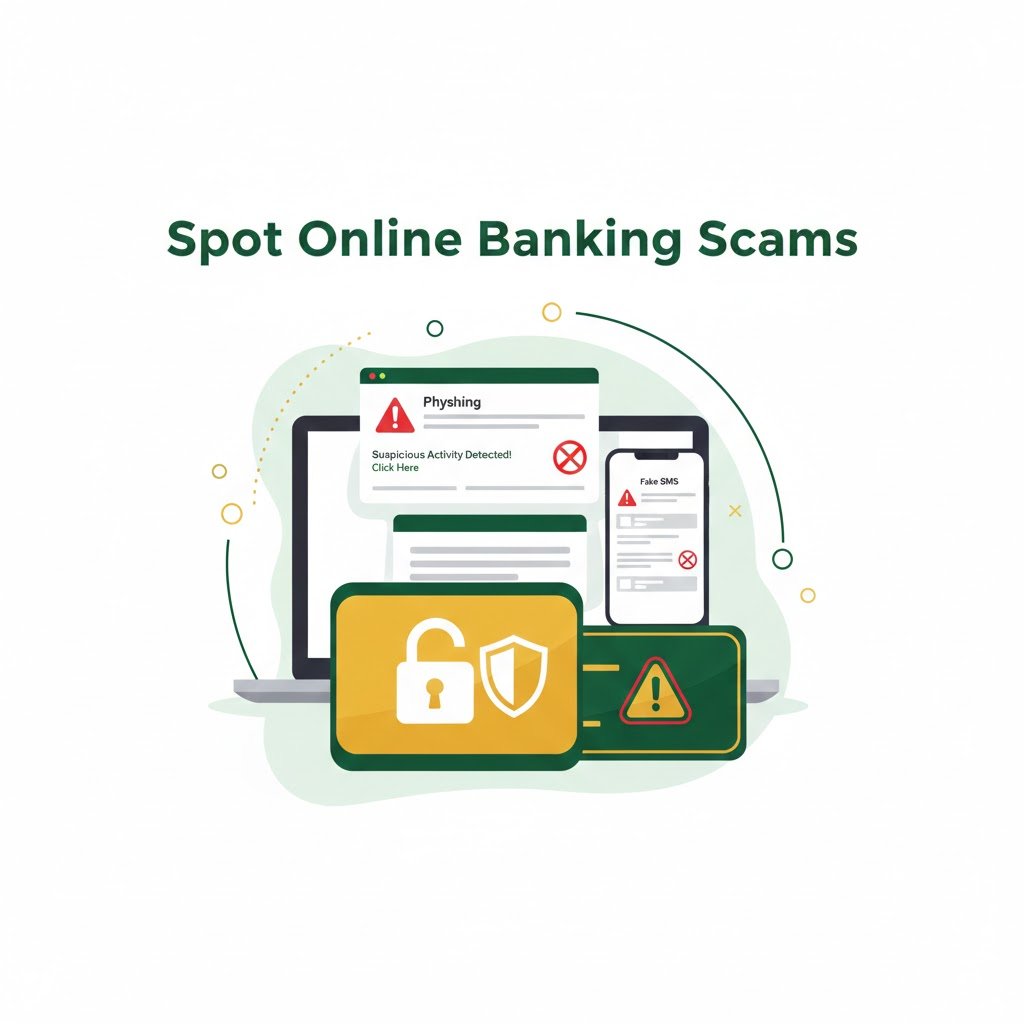
Understanding the enemy is half the battle won. Here are the most prevalent financial fraud Nepal schemes you need to watch out for in 2026:
1. Phishing Scams Nepal
Phishing scams Nepal have evolved dramatically. Fraudsters now send incredibly convincing text messages, emails, or even WhatsApp messages pretending to be from your bank. These messages often claim there’s a “security issue” with your account and ask you to click a link to “verify” your details.
For instance, you might receive an SMS saying, “Your account will be blocked within 24 hours. Click here to update KYC.” The link takes you to a fake website that looks exactly like your bank’s official site, where they steal your login credentials and OTP share nagarnuhos (never share your OTP).
2. ATM Scams Nepal
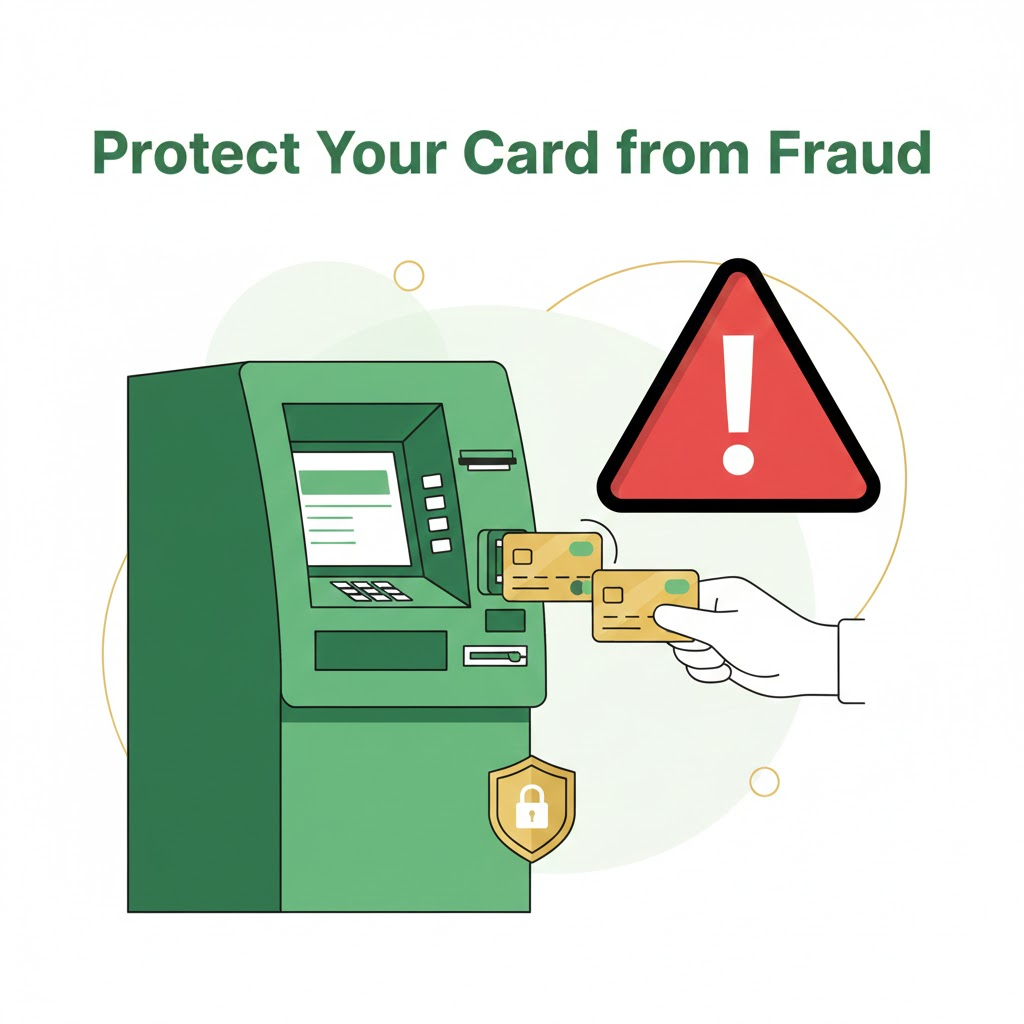
ATM scams Nepal remain alarmingly common, especially in busy urban areas like Kathmandu and Pokhara. Criminals use various tactics:
- Card skimming: Installing devices on ATM card slots to copy your card information
- Shoulder surfing: Standing behind you to watch your PIN
- Lebanese loop: Trapping your card inside the ATM and retrieving it after you leave
Similarly, some fraudsters place fake “Out of Order” signs on functional ATMs, directing you to a compromised machine nearby.
3. Online Banking Scams Nepal
As more Nepalis embrace digital banking, online banking scams Nepal have skyrocketed. These include:
- Fake mobile banking apps that mimic legitimate bank applications
- SIM swap fraud where criminals port your number to steal OTPs
- Public WiFi hacking at cafes and restaurants
- Malware-infected devices that record your banking passwords
4. Credit Card Fraud Nepal
Credit card fraud Nepal often happens when you least expect it. Fraudsters collect your card details through:
- Compromised e-commerce websites
- Restaurant or shop employees who copy your card information
- Fake payment gateways during online shopping
- Unsolicited calls asking for your CVV “for verification”
5. Social Engineering Scams
These are perhaps the most dangerous because they manipulate human psychology. Scammers call pretending to be bank managers, police officers, or even Nepal Rastra Bank officials. They create urgency and fear, pushing you to transfer money or share sensitive information immediately.
In addition, lottery scams and “prize winner” calls are prevalent, where fraudsters claim you’ve won money but need to pay a “processing fee” first.
Online Banking Fraud and How to Avoid It
Recognizing fraud prevention Nepal red flags can save you from devastating financial losses. Here’s what to watch for:
Red Flag #1: Urgency and Pressure
Legitimate banks never create artificial urgency. If someone is pressuring you to “act now” or “your account will be closed,” it’s almost certainly a scam. Banks communicate important matters through official channels and give you adequate time to respond.
Red Flag #2: Requests for Sensitive Information
Remember this golden rule: Your bank will NEVER ask for your password, PIN, OTP, or CVV over phone, email, or text message. If anyone asks for these details, hang up immediately. As we say in Nepal, “Bank ko app matrai use garnuhos” (use only your bank’s official app).
Red Flag #3: Suspicious Links and Attachments
Hover over links before clicking. Does the URL look strange? Does it have random numbers or misspellings? Fraudsters create websites like “nepalsbankk.com” instead of “nepalsbank.com.” Moreover, never download attachments from unknown senders claiming to be from your bank.
Red Flag #4: Too Good to Be True Offers
If someone offers you a 20% interest rate when the market standard is 8%, or claims you’ve won a lottery you never entered, it’s a scam. Period. Financial fraud Nepal often relies on greed and excitement clouding judgment.
Red Flag #5: Poor Grammar and Spelling
While this isn’t foolproof, many scam messages contain obvious grammatical errors or awkward phrasing. Professional banks have dedicated communication teams that ensure polished, error-free content.
How to Avoid Banking Scams Nepal: Essential Tips
Now that you know what to look for, let’s explore actionable steps to avoid banking scams Nepal effectively:
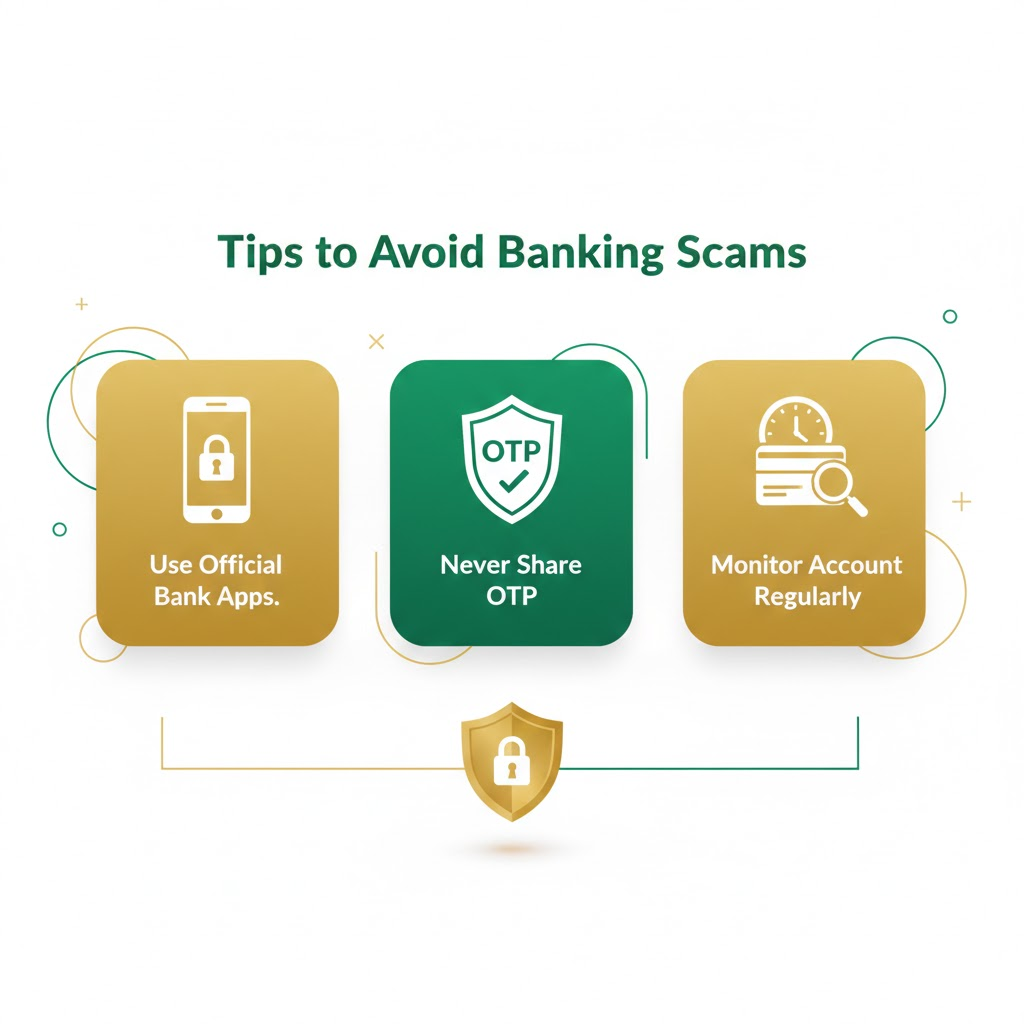
1. Enable Two-Factor Authentication
Every major bank in Nepal now offers two-factor authentication (2FA). Activate it immediately! This adds an extra security layer beyond just your password, making secure online banking Nepal much more achievable.
2. Use Official Banking Apps Only
Download banking apps exclusively from official sources—the Google Play Store for Android or Apple App Store for iOS. Check the developer name carefully, read reviews, and verify the app has been downloaded by thousands of users.
3. Protect Your OTP Like Your Life Depends On It
Never, ever share your OTP with anyone. Not even if they claim to be from your bank’s “fraud prevention department.” The OTP is your final line of defense. Once compromised, fraudsters can drain your account within minutes.
4. Monitor Your Accounts Regularly
Check your bank statements weekly, not monthly. Set up SMS or email alerts for every transaction above NPR 500. Quick detection means you can report unauthorized transactions before criminals transfer the money to untraceable accounts.
For more tips on managing your finances effectively, check out our Digital Banking Safety Guide on Bankrate Nepal.
5. Avoid Public WiFi for Banking
That free WiFi at your favorite Newroad cafe? Convenient, yes. Safe for banking? Absolutely not. Hackers can intercept your data on unsecured networks. Use your mobile data or a trusted VPN instead.
6. Update Your Devices and Apps
Software updates aren’t just about new features—they patch security vulnerabilities. Keep your phone’s operating system, banking apps, and antivirus software up to date.
7. Be Skeptical of Unsolicited Contact
If your “bank” calls you unexpectedly, don’t share any information. Instead, hang up and call your bank’s official customer service number (find it on the back of your debit card or their official website). Similarly, verify any email by contacting the bank directly.
8. Educate Your Family
Fraud prevention Nepal is a community effort. Share this knowledge with your parents, grandparents, and relatives. Elderly Nepalis are particularly vulnerable to these scams because they’re less familiar with digital banking.
For comprehensive information on choosing secure banking options, visit our Best Banks in Nepal 2026 Comparison guide.
Real Cases: Bank Fraud Examples in Nepal
Case Study 1: Phishing Scams Nepal Example
Ramesh from Lalitpur received an SMS in December 2025 claiming his account would be suspended unless he updated his KYC immediately. The message included a link that looked legitimate. Fortunately, Ramesh remembered reading about phishing scams Nepal and called his bank directly. The bank confirmed they had sent no such message—it was a scam attempting to steal his credentials.
Lesson: Always verify directly with your bank. Never trust unsolicited messages, no matter how official they look.
Case Study 2: ATM Fraud Nepal Incident
Sita was withdrawing cash from an ATM in Thamel when her card got stuck. A “helpful stranger” approached and suggested she enter her PIN again while he “helped fix” the machine. Fortunately, Sita was aware of ATM scams Nepal tactics. She refused, called her bank immediately to block the card, and reported the incident to the police.
Lesson: Never accept help from strangers at ATMs, and always shield your PIN entry.
Case Study 3: Online Banking Scams Nepal Case
Prakash noticed his phone had no network coverage one morning. By afternoon, he received a bank statement via email showing NPR 2,50,000 had been transferred from his account. Fraudsters had convinced his telecom provider to transfer his number to a new SIM card, allowing them to receive OTPs and access his mobile banking.
Lesson: If your phone suddenly loses service, contact your telecom provider AND bank immediately. Consider setting up additional security questions for SIM changes.
For more insights into protecting your financial assets, explore our Loan Safety and Fraud Prevention article.
Safe Online Banking Nepal: Tools and Resources
Beyond awareness, here are practical tools for secure online banking Nepal:
Essential Security Tools:
- Antivirus software: Install reputable antivirus apps like Bitdefender, Norton, or AVG
- Password managers: Use tools like LastPass or 1Password to create and store strong, unique passwords
- VPN services: NordVPN or ExpressVPN can encrypt your internet connection
- Banking apps’ built-in security: Most Nepali banks now offer fingerprint or face recognition login
Best Practices Checklist:
✓ Change your banking passwords every 3-4 months
✓ Use different passwords for different accounts
✓ Never save banking passwords on your browser
✓ Log out completely after every online banking session
✓ Cover the keypad when entering PINs at ATMs
✓ Register your email and mobile number with your bank for alerts
✓ Keep your bank’s customer service number saved
✓ Screenshot or photograph important banking communications
As a result of following these practices, you’ll significantly reduce your vulnerability to bank fraud Nepal schemes.
For detailed information on managing your banking relationships, check our Understanding Bank Interest Rates in Nepal guide.
Conclusion: Stay Protected from Bank Fraud in Nepal
Bank fraud in Nepal will continue evolving as technology advances, but so will our defenses. Moreover, understanding how to avoid bank fraud in Nepal is the key to maintaining constant vigilance, staying informed about new fraud tactics, and never letting your guard down—even with seemingly innocent requests.
Furthermore, protecting yourself from bank fraud requires ongoing education and awareness. In fact, the most effective way to avoid bank fraud in Nepal is to stay updated on the latest scam techniques and security measures. Therefore, make it a habit to regularly review your banking security settings and practices.
Remember, your bank is your partner in security. Don’t hesitate to contact them with questions or concerns, no matter how small they seem. Moreover, educate yourself continuously about emerging threats. The more you know about how to avoid bank fraud in Nepal, the safer you’ll be. Additionally, share this knowledge with family and friends to create a more secure banking environment for everyone.
By implementing the tips we’ve covered in this guide on how to avoid bank fraud in Nepal, you’re taking crucial steps toward protecting your financial future. Consequently, these simple yet effective practices can save you from devastating losses and give you peace of mind while banking.
Your Next Steps:
- Review your bank account security settings today
- Enable two-factor authentication if you haven’t already
- Share this article with three family members or friends
- Bookmark Bankrate Nepal for regular updates on financial fraud Nepal prevention
Stay ahead of scammers with Bankrate Nepal! Follow us for the latest updates on safe banking practices, financial literacy tips, and comprehensive guides on managing your money wisely in Nepal. Subscribe to our newsletter for weekly insights delivered straight to your inbox, and join thousands of Nepalis who’ve taken control of their financial security.
Together, we can make Nepal’s banking ecosystem safer for everyone. Banking scams Nepal might be on the rise, but with awareness and the right precautions, you can protect yourself and your loved ones.
Stay safe. Stay informed. Bank smart.